
 Speaker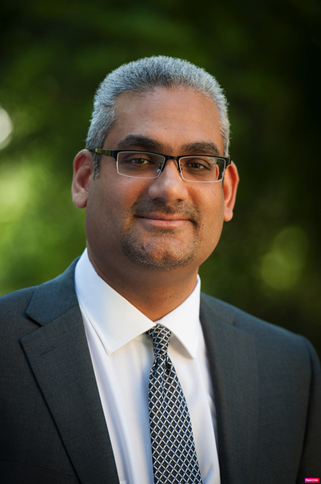
Dr Rajeev Sooreea
Biography
<h3>Keynote Address:</h3>
<h4> Challenges facing U.S. Colleges and Universities: Survival Lessons for Higher Education Leaders</h4>
American higher education is facing a deep crisis. In particular, small and medium-sized, private U.S. colleges and universities are being the most seriously impacted. More than 500 private colleges and universities have closed in the past decade. This crisis is caused by both internal factors and external conditions. What are these challenges and what strategies can be employed to ensure the long-term financial sustainability of colleges and universities in a globally competitive environment? Why, and how, should higher education leaders engage in those strategies? What survival lessons are there for higher education leaders to learn from? This presentation will showcase research that attempts to answer these questions and demonstrate that not only university administrators but also faculty members have a crucial role to play to ensure the economic sustainability of their higher education institutions.
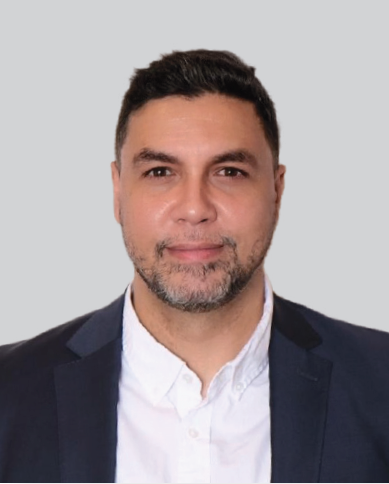
Dr Riyad Moosa
Biography
<h3>Keynote Address:</h3>
<h4> The Interpersonal Architect: Redefining the Educator’s Role in the Age of AI</h4>
<p style="text-align: left;">Higher education faces a pressing question: as artificial intelligence reshapes teaching and learning, what becomes of the educator? This presentation argues that the educator's role is not disappearing but becoming more human, not less. Drawing on a published two-year classroom study involving 127 university students, the Interpersonal Architect is introduced as a framework that repositions the educator in AI-enhanced higher education as a learning designer, human connector, and ethical guide. Rather than replacing the educator, AI tools can free them from routine content delivery, creating space for the work that only a human can do. This presentation demonstrates that with standard institutional resources, any educator can scale multimodal learning across visual, auditory, reading and writing, and kinesthetic pathways without burning out and without surrendering pedagogical control. Grounded in real classroom evidence, honest reflection, and student voices, the work ultimately asks what higher education looks like when educators choose to lead AI integration rather than follow it. The answer begins with one classroom, one educator, and one decision to become an Interpersonal Architect.</p>